
















































Iran’s Ruled-Out Goal Turns Group G Into a VAR Lesson in Margins

Iran’s Ruled-Out Goal Turns Group G Into a VAR Lesson in Margins
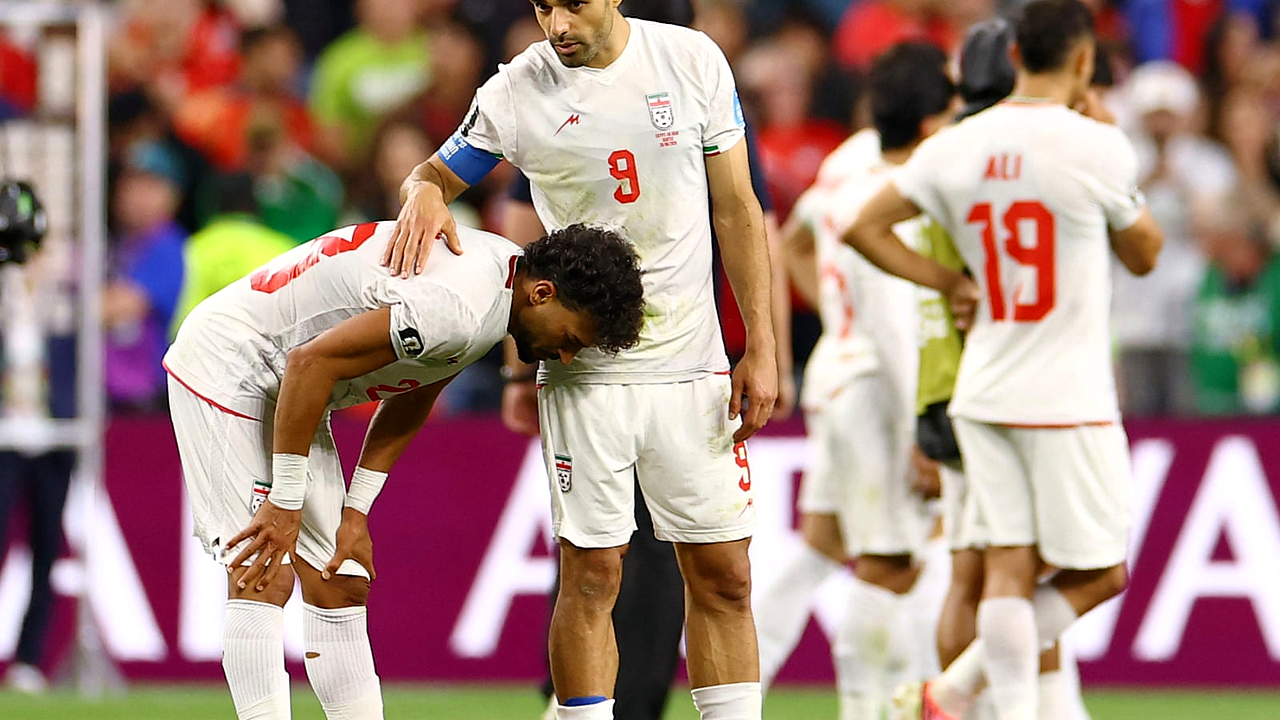
Iran thought they had found a late winner against Egypt before an offside review changed the emotional finish of Group G.
The incident matters because a single line decision can reshape qualification mood, third-place calculations and the way a team remembers its final push.
The offside call as a tournament moment
Late VAR decisions carry a particular weight in group finales. They do not only change a score; they change how players walk off the pitch, how staff explain the performance and how supporters process the table.
Iran’s frustration is understandable because the apparent goal would have changed the emotional meaning of the match. Instead, the review forced the team back into the colder language of margins.
| Area | Detail |
|---|---|
| Incident | Iran’s late goal ruled out after review |
| Opponent | Egypt |
| Group | G |
| Main lesson | timing and spacing decide as much as effort in final phases |
Why the earlier phases still matter
The danger for Iran is allowing the offside line to swallow the entire analysis. The team still needs to ask why the match reached that final moment without enough earlier control.
There were spells where Iran’s pressure made Egypt uncomfortable, but the final action was not always clean. Better spacing before the last pass would have reduced the need for a dramatic late decision.
Egypt’s warning
Egypt survived the incident, but survival is not the same as security. A defence that is still facing decisive runs in the final minutes has work to do before the next test.
The staff will take the point and the relief, yet the video review should focus on the shape before the pass, not only the flag that followed it.
The line decision should sharpen the details
For Iran, the review should become a teaching point rather than only a grievance. The timing of the run, the speed of the pass and the position of the last defender all become part of the same lesson.
That is the brutal side of tournament football. A player can make a strong run, a team can produce a brave late push, and the whole move can still disappear because one detail is mistimed.
The staff will need to keep that lesson practical. Anger fades; spacing habits can improve.
Egypt cannot depend on reviews
Egypt’s relief should be followed by a direct conversation about late-game control. The team cannot assume that the next decisive run will be offside or that the next review will rescue the shape.
Better pressure on the ball before the pass would reduce the danger. So would a clearer defensive line when the opponent starts committing runners in the final minutes.
The draw was survivable, but the warning was obvious: Egypt need to close matches with more authority if they want the next round to feel less fragile.
The psychological recovery is part of the work
Iran have to manage the emotional swing carefully. Players who believed they had won the match can carry that disappointment into the next session unless the staff turn it into a concrete lesson quickly.
Egypt have the opposite task. Relief can relax a team too much, so the staff need to make the warning visible without making the squad feel as if the draw was a disaster.
The margins should influence training
Iran’s forwards can take one practical lesson into the next session: late runs need the same discipline as early ones. Fatigue often changes timing, and that is exactly when a player can drift beyond the line before the pass is released.
Egypt’s defenders have their own version of the lesson. Holding a line is useful, but only if pressure on the ball makes the pass predictable enough for that line to work.
Why this moment will stay in Group G’s memory
Group matches are often remembered through goals, but sometimes the image that lasts is the celebration that never counted. Iran’s disallowed finish has that quality because it carried the feeling of a turning point before the review took it away.
That is precisely why the football response matters. Both teams have to turn a dramatic memory into cleaner habits, otherwise the moment becomes only frustration and relief.
Final read
Iran’s ruled-out goal is the kind of moment that stays with a team. It was painful because it was close, and useful because it showed exactly how fine the line becomes when a World Cup group reaches its final minutes.


Comments
No comments yet — be the first to share your thoughts.