
















































Saelemaekers’ Late Goal Shows Belgium’s Bench Can Still Change the Picture

Saelemaekers’ Late Goal Shows Belgium’s Bench Can Still Change the Picture
Alexis Saelemaekers scoring Belgium’s fifth goal against New Zealand gave the win an important squad-depth layer.
A final group match is especially valuable when the bench adds intensity after the result has already turned. Belgium got that signal in the closing stages.
Why the fifth goal still matters
It would be easy to dismiss the final goal as decoration, but tournament staff do not see it that way. Late goals reveal whether substitutes are entering with purpose or only helping the clock disappear.
Saelemaekers’ finish told Belgium that the wider squad can still affect a match after the starters have created the platform. That matters because knockout games often turn on the player who enters fresh and attacks a tired defender.
| Area | Detail |
|---|---|
| Player focus | Alexis Saelemaekers |
| Match context | Belgium’s 5-0 win over New Zealand |
| Depth signal | bench impact after the match had opened |
| Next use | late-game energy in the Round of 32 |
Depth has to be more than numbers
A deep squad is not simply a long list of names. It is a group where substitutes understand the rhythm of the match they are entering and can make decisions quickly.
Belgium’s fifth goal showed that the bench did not treat the closing period as a formality. That is the attitude a staff wants before knockout matches, when one tired phase can decide everything.
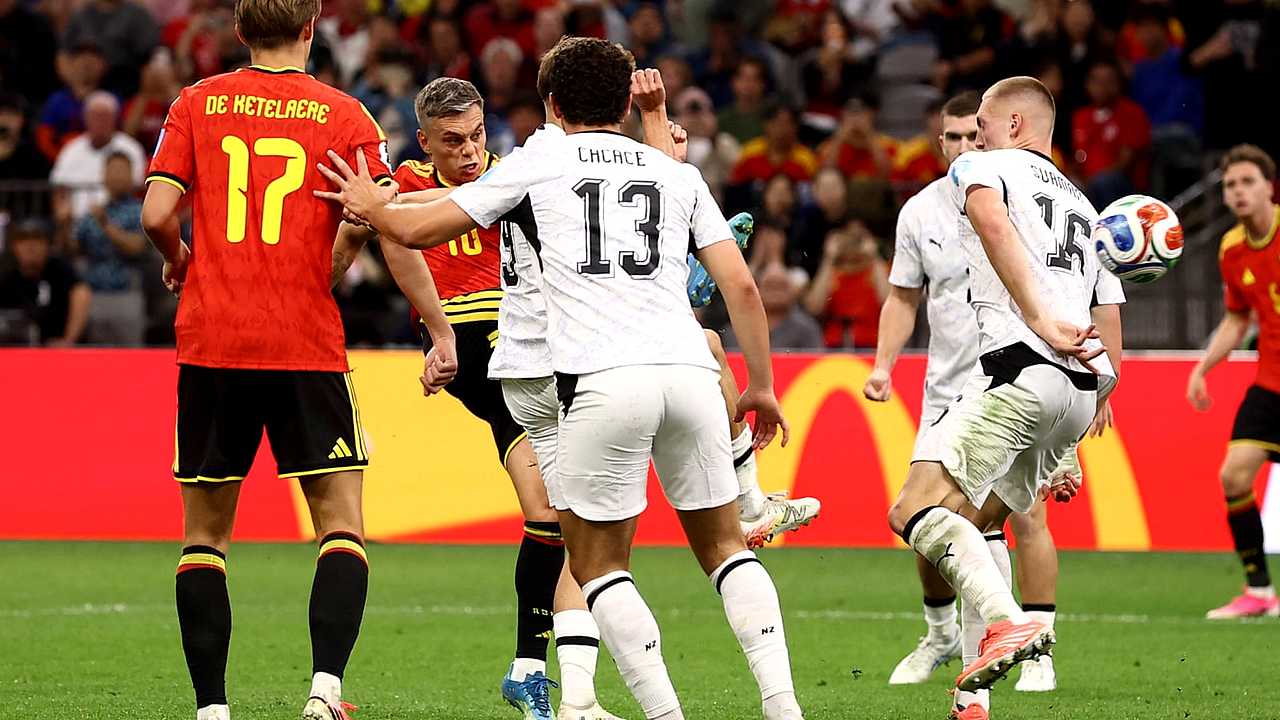
The selection effect
Saelemaekers’ contribution also changes the conversation around future substitutions. The staff now have fresh evidence that an attacking change can add more than defensive cover.
The challenge is not to overread one goal. Belgium should treat it as a useful option, then decide matchup by matchup whether his energy, width and timing fit the next game state.
Late impact changes bench trust
Coaches remember which substitutes keep the tactical level high after a match appears settled. Saelemaekers’ goal gave Belgium a reason to trust that the bench can enter with clarity rather than only energy.
That matters because knockout substitutions are rarely neutral. A change can protect a lead, chase a goal or alter the pressing height, and each role requires a player who understands the game state immediately.
The fifth goal does not guarantee a bigger role, but it adds useful evidence to the selection debate.
Why Belgium should value different profiles
Belgium’s main attackers will naturally receive attention, yet tournament depth often comes from players who offer a different rhythm. A wide runner who presses, tracks back and attacks the far post can change a tired match in ways that do not always show before the goal.
Saelemaekers’ contribution is valuable because it fits that kind of profile. It gives Belgium a late-game option that can be aggressive without making the team reckless.
The next question is how quickly the staff identify the right match for that option. Depth only helps when it is used at the correct moment.
The goal adds pressure in a good way
A bench player who scores late does not only help the scoreline; he makes the next selection meeting more competitive. That can be healthy if it raises training intensity and gives the manager more trusted tools.
Belgium should welcome that pressure. A knockout run rarely belongs only to the first eleven, and Saelemaekers’ goal is a reminder that the squad has to stay ready for roles that may appear with little warning.
The squad message is important
Late contributions can change the mood of a camp because they tell the squad that minutes are still available for players outside the headline group. That keeps training competitive and makes the bench feel connected to the tournament.
For Belgium, that may be useful before the Round of 32. A squad that believes the bench can decide a match usually accepts roles more easily than one waiting only for the starters to solve everything.
Energy still needs structure
Saelemaekers’ energy is valuable because it came inside a team shape that was already functioning. The lesson is not simply to add runners; it is to add runners who know which spaces to attack.
That distinction will matter when the next match is tighter. Fresh legs help most when they make the plan sharper rather than just faster.
Final read
Belgium’s fifth goal was not the biggest moment of the match, but it may prove one of the more useful ones. It gave the bench a voice before the bracket, and that can matter when the margins shrink.


Comments
No comments yet — be the first to share your thoughts.