
















































Lukaku Gives Belgium a Knockout Reference Point After the New Zealand Rout
Lukaku Gives Belgium a Knockout Reference Point After the New Zealand Rout
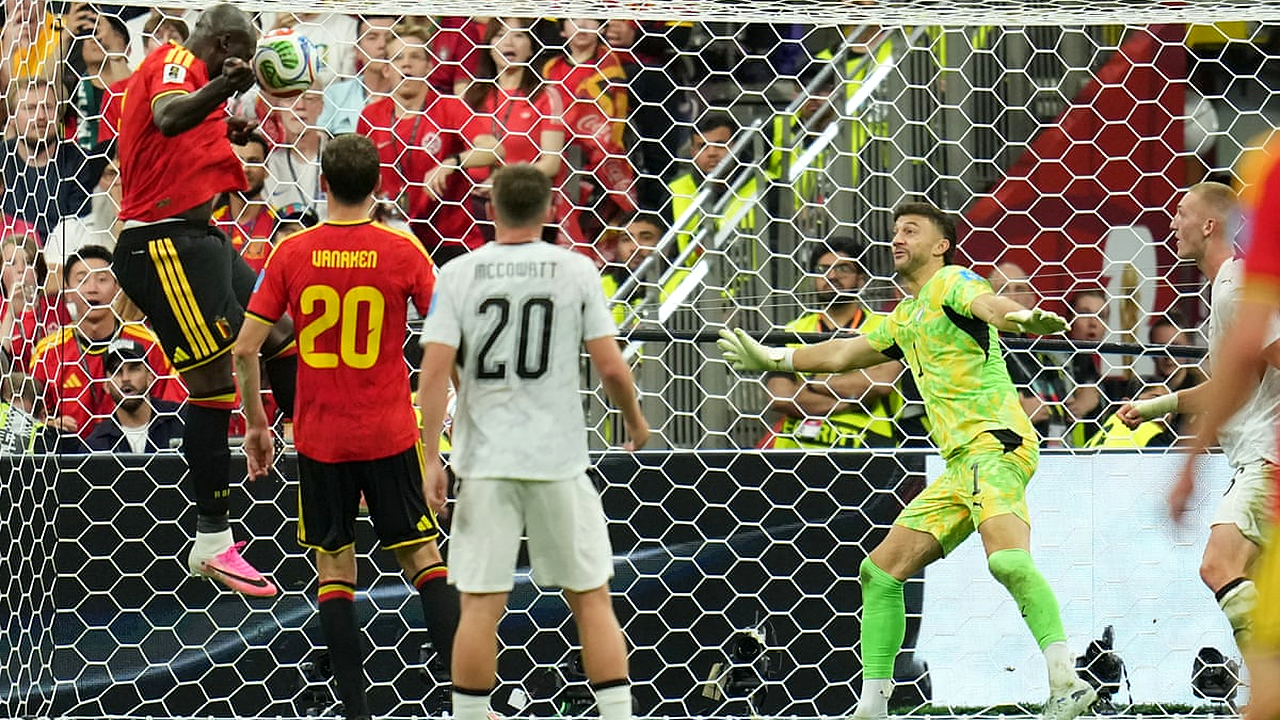
Romelu Lukaku’s finishing role in Belgium’s 5-0 win over New Zealand gave the team more than a comfortable scoreline.
For Belgium, the rout becomes far more useful if Lukaku’s penalty-area timing can act as a reliable reference before the Round of 32.
Why Lukaku changes the reading
Belgium have enough creative players to move a defence around, but a tournament attack still needs a clear target when the match tightens. Lukaku gives those passing sequences a destination.
Against New Zealand, his presence helped Belgium turn territory into something more decisive. When defenders had to account for him early, lanes opened for the wide players and late runners.
| Area | Detail |
|---|---|
| Belgium result | 5-0 over New Zealand |
| Lukaku value | penalty-area reference and finishing gravity |
| Team gain | confidence that attacks can end with clear targets |
| Knockout test | whether the same threat survives tighter marking |
The difference between form and structure
A striker scoring or influencing a rout can be read as form, but Belgium should look deeper. The key is whether the rest of the team understands how to use his presence without becoming predictable.
That means early crosses cannot be the only answer. Belgium need combinations, cutbacks and second-wave runs so that Lukaku’s marker is constantly forced to choose between the ball and the striker.
What the next opponent will study
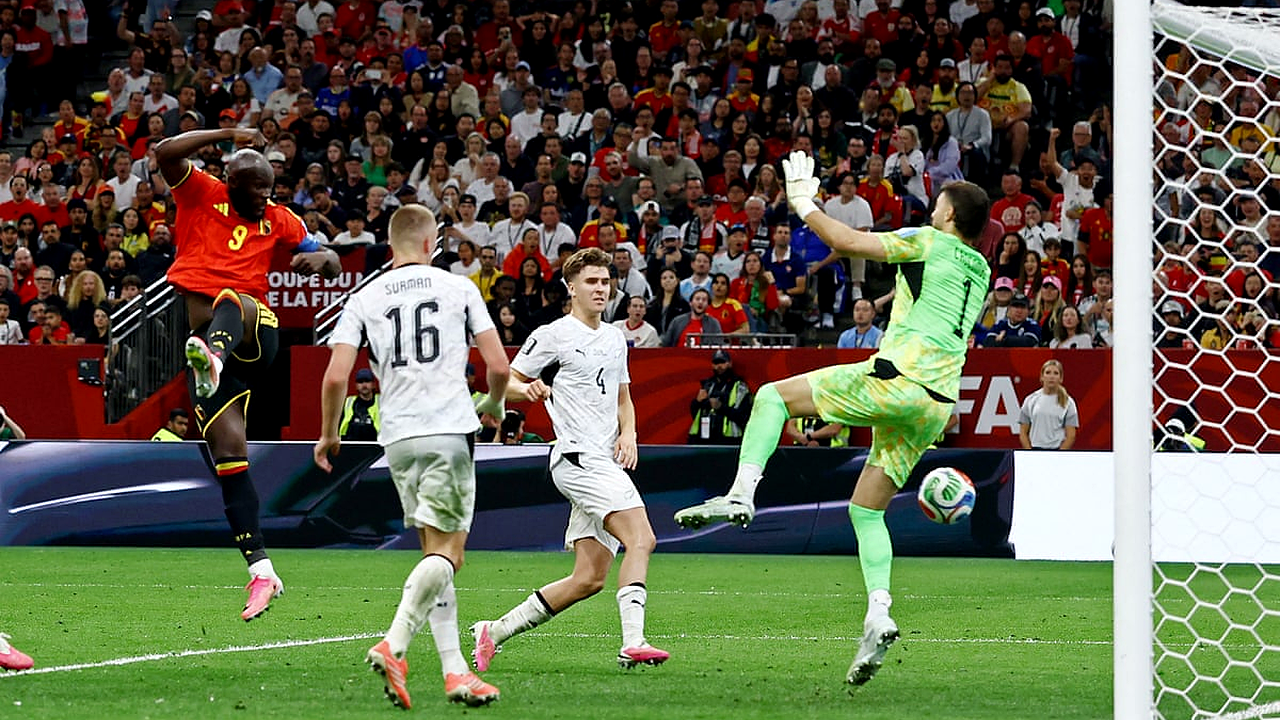
The Round of 32 opponent will not ignore the New Zealand tape. The first defensive question will be how to keep Lukaku from receiving the ball in the areas where Belgium can play around him.
Belgium’s answer has to be variation. If the striker draws pressure, the team must punish the space behind that pressure rather than forcing every attack through the same channel.
Belgium need runners around the reference point
Lukaku gives Belgium a clear target, but the surrounding movement determines whether that target becomes dangerous or easy to defend. If the nearest runners arrive late, opponents can double him without paying a price elsewhere.
The New Zealand match offered better signs because Belgium’s wide and central options did not always stand still after the first pass. That movement is what turns a striker’s presence into a team mechanism.
In the knockouts, Belgium cannot rely on Lukaku simply winning every duel. They need his gravity to create chances for others as well as for himself.
The mental value of a clear focal point
A striker reference can also calm a team. When pressure rises, players know where the ball can go and which runs should follow it.
That can be especially useful in a knockout match if Belgium spend a spell under pressure. One clean outlet to Lukaku, followed by support, can move the whole team up the pitch and stop the game becoming one-way traffic.
The staff’s job is to keep that option varied. A reference point is powerful when it guides the attack; it becomes limiting only if it replaces imagination.
The service has to stay varied
Belgium’s wide players and midfielders now have to keep Lukaku’s service unpredictable. Early crosses can work, but so can low cutbacks, clipped balls behind the centre-back and passes into feet that allow runners to play off him.
If Belgium mix those deliveries, the striker becomes harder to mark. If they repeat only one pattern, the next defence will know where the match is heading before the ball arrives.
The striker also helps Belgium defend
Lukaku’s value is not only what happens in the box. A reliable outlet changes defensive phases because Belgium know they can clear or pass forward with a target who can hold the ball and bring support into play.
That matters late in knockout matches. A team under pressure needs more than clearances; it needs a way to move the match away from its own penalty area.
The reference must stay connected
The risk is isolation. If Belgium drop too deep or leave too much distance between midfield and striker, Lukaku becomes a lone target rather than a functional reference point.
The next performance should therefore be judged by the spacing around him. Belgium need the second runner and the third pass, not only the first ball into the striker.
Final read
Lukaku gave Belgium a useful reference point, not just a headline. The next round will show whether that reference is flexible enough to trouble a defence that arrives with a full scouting file.


Comments
No comments yet — be the first to share your thoughts.